
Third-Party Assisted Reproduction: Awareness and Acceptability among Women Attending Infertility Clinic in a Hospital in Northern Nigeria
Keywords:
surrogacy, gamete donation, infertility, Third-party assisted reproductionAbstract
Background: Third-party assisted reproduction refers to assisted reproductive technique in which there is biological involvement or contribution from a person other than the individual or couple that plans to raise the child (intended parent[s]) in the process of reproduction. It includes the use of donated ova, sperm, or embryos (or their components) and gestational-carrier arrangements, in
which the pregnancy is carried by someone other than the intended parent(s).
Objectives: To determine the awareness and acceptability of third-party assisted reproduction among women attending Ahmadu Bello University Teaching Hospital infertility clinic and to identify concerns which may hinder utilization of these services.
Methods: This is a cross-sectional study conducted among infertile women using an interviewer administered, structured questionnaire. The result was analyzed using SPSS version 20 and presented using Microsoft Excel 2017.
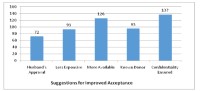
Result: A total of 274 women were interviewed and 189 (69%) of the respondents were aware of at least a method of third party reproduction. The majority (95.8 %) of them were aware of gamete donation followed by surrogacy (86.2%). On the contrary the acceptability was highest for surrogacy (36.5%) and lowest for gamete donation (15.9%). The reasons given for this low acceptability included: religious beliefs, the process seeming unnatural, ineffective and even harmful. Despite these, the respondents expressed that confidentiality would improve the acceptability of these services.
Conclusion: The study revealed a high disparity between awareness and acceptability of the various methods of TPR that will be interesting to explore in future studies.
Downloads
References
1. World Health Organisation (WHO); Mother of nothing; the agony of infertility. In: WHO Bulletin. 2010. pp. 877-953.
2. Okonofua FE, Obi H. Specialized versus conventional treatment of infertility in Africa: time for a pragmatic approach. Afr J Reprod Health. 2009.13:9-15.
3. Inhorn MC. Global infertility and the globalization of new reproductive technologies: Illustrations from Egypt. Soc Sci Med. 003.;56(9):1837-51.
4. Asch A, Marmor R. Assisted Reproduction. In: Mary Crowley (ed).From Birth to Death and Bench to Clinic: The Hastings Center Bioethics Briefing Book for Journalists, Policymakers, and Campaigns. Garrison, NY. The Hastings Center. 2008; 5-10.
5. Okonofua, F.E. The case against new reproductive technologies in developing countries. British Journal of Obstetrics and Gynecology. 1996. 103:957-962
6. Ekwere PD, Archibong EI, Bassey EE, Ekabua JE. Infertility among Nigerian couples as seen in Calabar. Port hacourt Med J. 2007;2.
7. National Collaborating Centre for Women's and Children's Health (UK). Fertility: Assessment and Treatment for People with Fertility Problems. London: Royal College of Obstetricians & Gynaecologists; 2013: (NICE Clinical Guidelines, No. 156.)pp 21
9. Bello FA, Akinajo OR, Olayemi O. In- vitro Fertilization, Gamete Donation and Surrogacy?: Perceptions of Women Attending an Infertility Clinic in Ibadan , Nigeria. African J Reprod Heal June 2014;18:127-33.
10. Adenike OB, Wasiu AO, Sunday OO, Olaniyan BA, Olufemi OS. Prevalence of Infertility and Acceptability of Assisted Reproductive Technology among Women Attending Gynecology Clinics in Tertiary Institutions in Southwestern Nigeria. Gynecol Obs. 2014;4(3).
11. Series PI. Third-Party Reproduction A Guide for Patients.
12. Reproductive Medicine. In: Goldfarb J M(ed). Third-Party Reproduction: A Comprehensive Guide. 1st edition. Springer-Verlag New
York. 2014pp 1-234
13. Lutjen P, Trounson A, Leeton J, Findlay J, Wood C, Renou P. The establishment and maintenance of pregnancy using in vitro fertilization and embryo donation in a patient with primary ovarian failure. Nature. 1984;307:174-5.
14. Trounson A, Leeton J, Besanko M, Wood C, Conti A. Pregnancy established in an infertile patient after transfer of a donated embryo fertilised in vitro. Br Med J (Clin Res Ed). 1983;(286:):pp835- 8.
15. ESHERE Task Force on Ethics and LAw. Gamete and embryo donation. Hum Reprod?. 2002:17 (5):407-8.
16. Soderstrom-Anttila V, Foudila T, Ripatti U, Siegberg R. Embryo donation: outcome and attitudes among embryo donors and recipients. Hum Reprod. 2001;16:1120-1128.
17. Ajayi AB, Ajayi VD. Gestational Surrogacy in Nigeria. In: Handbook of Gestational Surrogacy. 2018. pp. 212-6.
18. World Health Organization (WHO). Assisted reproduction in developing countries - facing up to the issues ART in developing countries - a response to individual need or a social priority?? 2004: (63); pp9.
19. Wanggren K, Bergh T, Svanberg AS. Attitudes towards embryo donation among infertile couples with frozen embryos. Hum Reprod. 2013;28(9):2432-9.
20. Sohrabvand F , Jafarabadi M. Knowledge and attitudes of infertile couples about assisted reproductive technology. Iran J Reprod Med. 2005;3(2):pp90-4.
21. Obajimi G, Ogunbode O, Adetayo C, Ilesanmi A. Acceptability of artificial insemination by donor among infertile women attending the Gynaecological Clinic of the University College Hospital , Ibadan. Trop J Obstet Gynaecol. 2018;34(3).
22. Ugwu EO, Odoh GU, Obi SN, Ezugwu FO. Acceptability of artificial donor insemination among infertile couples in Enugu , southeastern Nigeria. Int J Women's Heal. 2014;6:201-5.
23. Abieyuwa O, James O, Michael A, Orhue OAA. Gamete donation?: knowledge, attitude and perception of infertile couple in a public hospital in nigeria. Trop j obs gynaecol. 2011;28
24. Omokanye LO, Olatinwo AO, Durowade KA, Raji ST, Biliaminu SA, Salaudeen GA. Assisted reproduction technology?:Perceptions among infertile couples in Ilorin , Nigeria. Saudi J Heal Sci. 2017;6:14-8.
25. Adesiyun AG, Ameh N, Avidime S, Muazu A. Awareness and perception of assisted reproductive technology practice amongst women with infertility in Northern Nigeria. Open J Obstet Gynecol. 2011;1:144-8.
Downloads
Published
Issue
Section
License
All articles published in the journal are licensed under a Creative Commons Attribution (CC BY) license(i.e CC Attribution-NonCommercial-ShareAlike 4.0), allowing others to share, distribute, and build upon the work, provided the original author(s) and source are properly cited. Authors retain the copyright of their work.

